← BACK TO BLOG
    DEVELOPMENT2026-01-2511 min readSacred Geometry NZ

    Key Things to Check Before Buying Development Land in Auckland

    Essential due diligence checklist for Auckland development land, zoning, geotechnical, flooding, infrastructure, and consent risk factors every developer should assess.
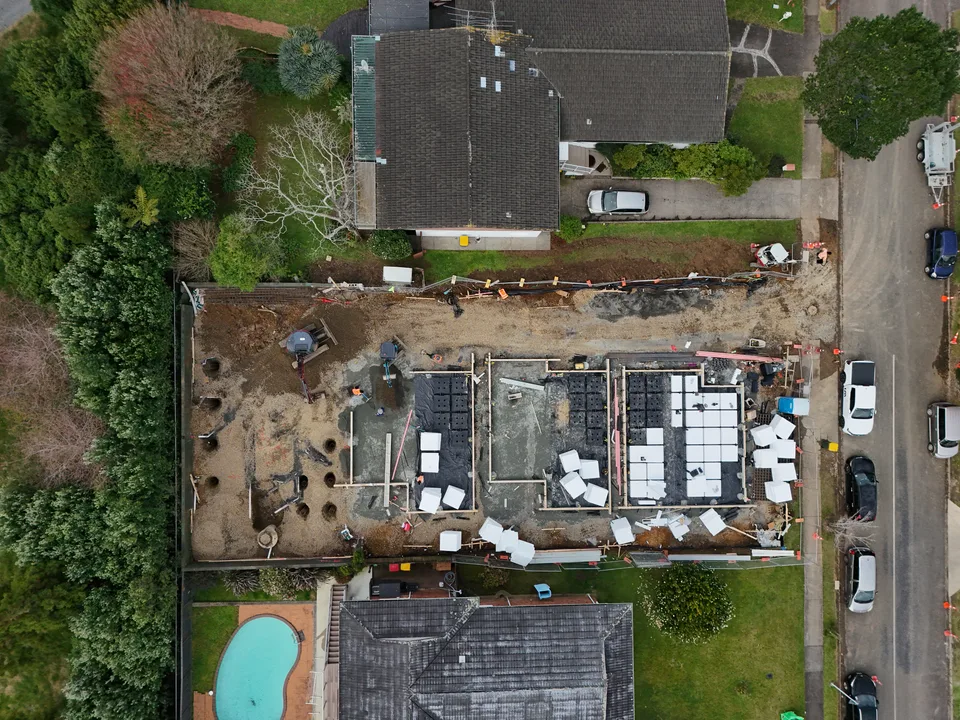
    Key Things to Check Before Buying Development Land in Auckland

    Key Things to Check Before Buying Development Land in Auckland


    Buying development land in Auckland is a significant investment. The difference between a profitable development and a costly mistake often comes down to the due diligence you do before signing the purchase agreement. Here's what experienced Auckland developers check before committing.


    1. Zoning and Development Potential


    Your first check should be the property's zoning under the Auckland Unitary Plan. This determines:

  1. How many dwellings you can build
  2. Maximum height and building coverage
  3. Setback requirements
  4. Whether resource consent is required

  5. Tip: Don't rely on real estate agent descriptions of "development potential." Get a planner to assess the actual zoning rules.


    2. Title and Legal Constraints


    Review the property title for:

  6. Easements: Existing easements for drainage, access, or services can restrict where you can build
  7. Covenants: Some properties have restrictive covenants that limit development
  8. Encumbrances: Check for any registered interests that could affect your development plans
  9. Cross-lease vs Freehold: Cross-lease properties have additional consent requirements

  10. 3. Geotechnical Conditions


    Auckland's volcanic geology creates varied ground conditions:

  11. Clay soils: May require enhanced foundation design
  12. Fill material: Previous filling may require removal or remediation
  13. Rock: Can increase excavation costs significantly
  14. Groundwater: High water tables affect foundation design and civil works

  15. Always get a geotechnical report before purchasing development land. The cost ($3,000 - $8,000) is minimal compared to the risk of unknown ground conditions.


    4. Flooding and Stormwater


    Auckland Council's flood maps show:

  16. Flood plains: Land within flood plains may have severe building restrictions
  17. Overland flow paths: These must be maintained and can restrict building platforms
  18. Coastal inundation: Relevant for properties near the coast

  19. 5. Infrastructure Capacity


    Check whether existing services can support your development:

  20. Wastewater: Auckland's wastewater network is under pressure in many areas
  21. Water supply: Some areas have pressure or capacity limitations
  22. Stormwater: On-site stormwater management may be required
  23. Power and telecommunications: Assess whether upgrades are needed

  24. 6. Access and Roading


    Ensure the property has adequate access:

  25. Road frontage: Is there sufficient frontage for the development you're planning?
  26. Right of ways: If access is via a right of way, what are the terms?
  27. Traffic impact: Larger developments may require traffic impact assessments
  28. Auckland Transport requirements: Check for any planned road widening or designations

  29. 7. Contamination History


    Auckland has many sites with contamination from previous land uses:

  30. Former horticultural land: May contain pesticide residues
  31. Industrial sites: Potential for heavy metal or hydrocarbon contamination
  32. Fill sites: Unknown fill material may contain contaminants

  33. A preliminary site investigation (PSI) can identify contamination risks before purchase.


    8. Market and Financial Viability


    Even if a site is technically developable, the numbers need to work:

  34. Comparable sales: What are similar developments selling for in the area?
  35. Construction costs: Get realistic cost estimates for Auckland construction
  36. Development contributions: These can add $20,000 - $50,000+ per new lot
  37. Finance costs: Factor in holding and construction finance

  38. 9. Consent Risk


    Some developments face higher consent risk:

  39. Notification: Will your consent application be notified to neighbours?
  40. Affected parties: Are there neighbours who might object?
  41. Heritage or character areas: These attract closer scrutiny
  42. Environmental factors: Streams, vegetation, or ecological values on site

  43. 10. Professional Due Diligence Team


    For Auckland development sites, assemble your due diligence team early:

  44. Property lawyer: Title review and purchase agreement advice
  45. Town planner: Zoning assessment and consent pathway advice
  46. Surveyor: Boundary confirmation and subdivision potential
  47. Geotechnical engineer: Ground condition assessment
  48. Development manager: Overall feasibility and coordination

  49. Don't Skip Due Diligence


    The cost of thorough due diligence is a fraction of the total development investment. Identifying issues before purchase gives you negotiating power on price and prevents costly surprises during development.


    Sacred Geometry NZ helps Auckland developers assess development sites and manage the full development process. Our builder-led feasibility assessments are based on real construction costs and practical delivery experience.


    Assessing a development site in Auckland? Get expert due diligence support.


    Sacred Geometry NZ

    SGNZ Team
    TRUSTED PARTNERS

    Suppliers and industry partners we work with.

    PlaceMakers
    Mitre 10
    Site Safe
    Carters
    Bunnings Warehouse
    10X Civil